
Signs Your Home Needs Rewiring And What To Do Next
If your lights flicker, your breakers trip often, or your outlets feel outdated, your electrical system may be asking for attention. These problems do not always mean your home needs a full rewire, but they do mean it is worth taking a closer look. In many homes, small warning signs show up long before a larger safety or reliability issue develops.
For homeowners, property managers, and business owners, understanding the signs your home needs rewiring can help you act earlier and make better decisions. At McCarthy Electric and Technologies, LLC, electrical evaluations often start with practical questions: Which circuits are acting up? Has the home been remodeled? Is the panel keeping up with current demand? Are there signs of older wiring materials behind the walls? That step-by-step review gives property owners a clearer picture of whether they need a targeted repair, partial rewiring, or a broader upgrade.
Why Older Wiring Deserves Attention
Older wiring is not automatically unsafe, but age, wear, past repairs, and increased electrical demand can all create problems over time. Many homes were built for a much smaller load than they carry today. Between large kitchen appliances, HVAC equipment, home offices, smart devices, EV charging, and added lighting, the average property often asks much more from its wiring than it did decades ago.
According to the National Fire Protection Association, electrical failures and malfunctions continue to play a major role in home fires. The Electrical Safety Foundation International also notes that aging electrical systems, damaged wiring, and overloaded circuits remain important residential fire risks. That does not mean every old home needs complete rewiring, but it does mean recurring warning signs should be taken seriously.
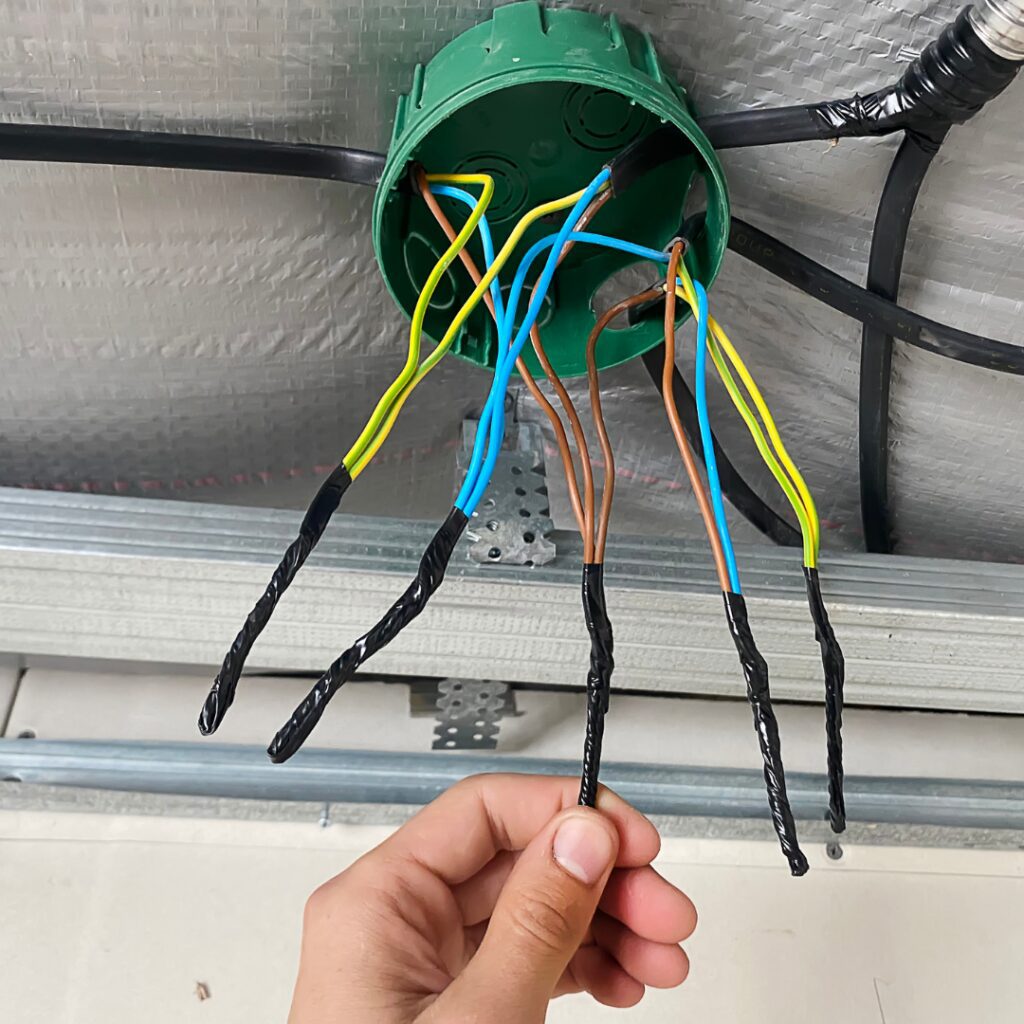
Common Signs Your Home May Need Rewiring
Flickering Or Dimming Lights
A single flickering fixture can be as simple as a loose bulb or a failing switch. But when lights flicker in multiple rooms, dim when major appliances turn on, or pulse without a clear pattern, the issue may point to overloaded circuits, loose connections, or aging wiring. It can also reflect a panel or circuit capacity problem, especially in older homes that have added new devices over time.
When McCarthy Electric and Technologies, LLC evaluates this type of issue, the process usually involves examining the affected fixtures, checking nearby devices and outlets, reviewing circuit behavior, and comparing what is happening in the home with the demands placed on the electrical system.
Breakers That Trip Repeatedly
A circuit breaker is designed to shut off power when it detects a fault or overload. That protection matters. If a breaker trips once during an unusual event, it may not mean much. If it trips repeatedly during normal daily use, that is a sign that something needs professional attention.
Frequent breaker trips often indicate overloaded circuits, panel limitations, or wiring problems that should be evaluated by an electrician. In some cases, the fix is localized. In others, repeated tripping is part of a larger pattern that points to outdated wiring or the need for a service-panel review. If your home already shows these signs, it may make sense to have an electrician evaluate the entire system.
Warm Outlets, Buzzing Sounds, Or Burning Smells
These are high-priority warning signs. An outlet or switch plate that feels warm, a buzzing sound inside the wall, visible sparking, or a burning smell near a receptacle should never be ignored. Those symptoms can indicate overheating, arcing, or a loose electrical connection.
If this happens, stop using the affected outlet or switch if you can do so safely, and contact a professional right away through the McCarthy Electric and Technologies, LLC contact page. These are not symptoms to monitor and hope they go away.
Two-Prong Outlets And Too Much Reliance On Extension Cords
Two-prong outlets often suggest an older electrical system that may not provide the grounding expected in many modern homes. On their own, they do not confirm that a full rewire is needed, but they are a strong reason to schedule an inspection, especially if the home also has frequent breaker issues or limited outlet access.
The same goes for extension cords and power strips: they do too much work. If daily life depends on cords running across rooms or several devices sharing one outlet, that can be a sign that the current electrical layout no longer fits how the property is actually used. The ESFI home wiring safety tips are a helpful reminder that overloaded outlets and improvised power setups can increase risk.
Aluminum Wiring In Certain Older Homes
If your home was built or updated during the late 1960s to early 1970s, single-strand aluminum branch wiring may be a concern. The U.S. Consumer Product Safety Commission has long warned that some older aluminum wiring installations are associated with higher fire-hazard conditions at connections.
That does not mean every house with aluminum wiring needs the same solution. It does mean the system should be evaluated carefully. A contractor may inspect terminations at outlets and switches, look for signs of heat or oxidation, and determine whether the safest recommendation is targeted correction, approved connection updates, or more extensive rewiring.
How The Age Of Your Home Can Help You Judge The Risk
Home age does not tell the whole story, but it provides useful context.
Homes built many decades ago may still have outdated wiring methods, limited circuits, or older service equipment that struggles to support modern usage. Homes built in the 1960s and 1970s warrant closer inspection for aluminum branch wiring concerns. Homes that have seen additions, remodels, converted garages, or upgraded appliance loads may also be putting more demand on an older system than it was designed to handle.
This is especially important for property managers and owners of older rental properties. If tenants keep reporting tripped breakers, dead outlets, or dimming lights, those repeated complaints may point to a system-level issue rather than a one-time maintenance call.
When To Call An Electrician Right Away
Some symptoms justify a prompt call. You should contact an electrician if you notice:
- Burning smells near outlets, switches, or the panel
- Hot or discolored receptacles
- Buzzing, crackling, or sparking
- Breakers that trip again and again
- Lights are dimming across multiple rooms
- Circuits or parts of the property are losing power unexpectedly
At McCarthy Electric and Technologies, LLC’s rewiring and remodeling service page, the focus is not just on replacing wire. It is on understanding what the home is doing now, what it needs to support next, and whether the safest answer is a repair, a partial rewire, or a broader upgrade.
What To Do Before Your Appointment
If you are waiting for an electrical inspection, keep the response simple and safe:
- Stop using outlets or switches that seem hot, damaged, or unstable
- Avoid resetting a breaker over and over
- Unplug sensitive electronics from problem circuits
- Make note of which rooms or devices are affected
- Pay attention to what triggers the problem, such as microwaves, space heaters, or HVAC startup
Those observations help during diagnosis. In a typical service visit, an electrician may inspect the service equipment, test affected circuits, review receptacles and switches, compare electrical demand with panel capacity, and look for visible signs of older wiring materials or unsafe modifications.
Why Rewiring And Panel Upgrades Often Overlap
Wiring problems and panel limitations often show up together. A home may have aging branch wiring, but it may also have an undersized or outdated panel that no longer supports present-day demand. That is why electrical inspections often look beyond the immediate symptom.
For example, if a homeowner is planning a remodel, adding new appliances, or preparing for future electrical upgrades, the right answer may involve both wiring work and panel improvements. That is also where options like smart panels may come into play, depending on the home’s goals and electrical layout. According to Energy Gov, electrical upgrades can help homes better support modern equipment and future electrification projects, though the exact benefits depend on the property and scope of work.
Partial Rewire Vs Full Rewire
Not every property needs a full rewire. In some homes, the most practical solution is a partial rewire that addresses a specific area, a problem circuit, an addition, or a remodel. In others, broader replacement makes more sense because the electrical issues are widespread, the materials are outdated, or the home is being upgraded more extensively.
A professional recommendation usually depends on several factors:
- The age and condition of the existing wiring
- The type of wiring materials present
- Whether the panel is adequately sized
- The number and severity of current symptoms
- Future plans for the property
That is one reason homeowners benefit from working with a company that handles the broader electrical picture. You can learn more about that scope of work through McCarthy Electric and Technologies, LLC’s service offerings.
What Homeowners Gain From Timely Electrical Upgrades
A rewiring project is usually about more than replacing old materials. Depending on the home, it can improve reliability, reduce nuisance electrical problems, support modern appliances more effectively, and make future remodels or electrical additions easier to plan. Updated wiring can also improve buyer confidence when a property is sold, especially if the previous system showed obvious age or recurring issues.
That said, outcomes vary by home. Rewiring is not a one-size-fits-all upgrade, and it should not be presented as a guaranteed way to lower utility bills or dramatically raise resale value in every case. The stronger, more accurate message is that updated wiring can improve safety, support modern electrical demand, and reduce the chances of recurring system trouble.
Frequently Asked Questions
How Do I Know If My House Needs Rewiring Or Just A Small Repair?
Not every electrical issue requires a full rewire. A single dead outlet, a faulty switch, or an isolated fixture problem may only require targeted repair. But if you have repeated breaker trips, flickering lights in multiple rooms, warm outlets, or signs of outdated wiring, it may be time for a broader inspection. McCarthy Electric and Technologies, LLC can evaluate the system and recommend whether a repair, partial rewire, or larger upgrade makes the most sense.
At What Age Should A Home’s Wiring Be Inspected?
Any older home with recurring electrical issues should be inspected, especially if it still has two-prong outlets, limited circuit capacity, or unknown wiring updates. Homes built decades ago or those that have had additions and remodels over time often benefit from a professional review to ensure the system still supports current electrical demand.
Is Aluminum Wiring Always A Reason To Rewire A Home?
Not always. Some homes with aluminum branch wiring may need repairs or approved connection upgrades, while others may benefit from more extensive rewiring. The right solution depends on the condition of the wiring, the connections, and the overall electrical system. A licensed electrician should inspect the home before making any recommendations.
Can I Live In My House During A Rewiring Project?
In many cases, yes, but it depends on the size of the project and which parts of the home are being worked on. A partial rewire may create less disruption than a full-house project. If you are planning larger electrical updates, McCarthy Electric and Technologies, LLC’s rewiring services can help you understand what the process may involve.
Do Rewiring Projects Often Include Panel Upgrades Too?
Sometimes they do. If the home has aging wiring and an outdated or undersized panel, both may need attention to fully support modern electrical use. In some homes, this is also the right time to ask about smart panel options or other future-ready upgrades.
When Should I Call An Electrician Right Away?
You should call promptly if you notice burning smells, buzzing sounds, sparking, hot outlets, or breakers that trip repeatedly. These warning signs can point to overheating, loose connections, or unsafe electrical conditions. The safest next step is to contact McCarthy Electric and Technologies, LLC for a professional evaluation.
Final Thoughts
The signs that your home needs rewiring are often visible before a major failure. Flickering lights, repeated breaker trips, warm outlets, two-prong receptacles, and concerns about aluminum wiring are all worth taking seriously. The earlier you address them, the more options you typically have.
If your property is showing any of these warning signs, this is a good time to contact McCarthy Electric and Technologies, LLC for a professional evaluation. Whether you need a focused repair, a service-panel review, or a larger rewiring plan, their team can help you understand the condition of your system and what to do next.